

Empowering Independence With the Best Self-Propelled Wheelchair
Self-propelled wheelchairs let users manage their mobility. They provide greater independence as well as a variety of health benefits, including improved posture and muscle strength.
With the addition of add-on devices, they can handle rough terrain. They are typically lightweight and easy to maneuver for the person who is riding it.
Human Propulsion
Self-propelled wheelchairs allow individuals to control their own movement. They differ from traditional wheelchairs that require a driver to push them. They come with large rear wheels and hand-rims, so that the user is able to control their own pace and direction. This type of mobility could provide the user with a greater sense of independence, and can also foster a positive outlook. It also aids in engaging the upper body, which helps in maintaining strength and cardiovascular health.
It is essential to take into account the mobility goals and requirements of the individual when selecting the best self propelled wheelchair. This will help decide the kind of wheelchair to choose and its components. Self-propelled wheelchairs typically have many options, including a dynamic rocker or adjustable resistance that can accommodate various kinds of users and different conditions.
In addition to the options of casters, seating, and upholstery, there are many other aspects to be considered when choosing the best wheelchair. For example, a person who requires a wheelchair for regular use should select an option with a lightweight frame, as this will ease the burden on muscles while moving. Pick a chair with the swivel wheel, which will enable it to maneuver across various surfaces and obstacles.
The size of a wheelchair's wheels is a crucial factor when choosing the best self-propelled wheelchair. The wheels must have minimum diameter of 20 inches and can be pneumatic or solid. The wheels should be placed in the middle of the frame to reduce the amount of resistance they encounter when rolling. Selecting a chair that has narrower tyres will also reduce friction with the floor and require less effort to push.
It is essential to know the correct technique to propel manually-driven wheelchairs, since incorrect techniques can result in injuries to the upper extremities. For this reason, the Paralyzed Veterans of America has established a set of guidelines for wheelchair propulsion which include using long, smooth push strokes, reducing cadence, and limiting the force of the handrim with each push. These strategies can lower the risk of injuries to the upper extremity and improve overall function.
Smooth Folding Technology
With a self-propelled wheelchair, you are able to control your mobility and not depend on anyone else. It will require more power to propel it than an electric wheelchair, but it's a good choice if you're comfortable in this type of chair and want to be able out and about on your own, a self propelled wheelchair is the ideal option.
A self-propelled wheelchair allows you to decide on your individual pace of travel and also when and where you'd like to go. A manual wheelchair can be heavy, especially if you select one with a rugged design. It is crucial to consult with your doctor or therapist about what type of chair is the best fit for your needs before making a decision.
There are plenty of lightweight wheelchairs that are easy to move and transport into your car. These chairs are typically constructed of top-quality materials and come with an adjustable frame that folds. These chairs are less expensive than other types of wheelchairs, and they offer greater freedom to their users.
The most effective wheelchair offers comfort, stability and flexibility. The Rehasense ICON 60 Wheelchair is a great illustration of this type of wheelchair that is lightweight. It features a light 7000 Series Aluminium frame with carbon fiber side panels and an ergonomically cushioned seat. This makes it robust and easy to maneuver. It is able to be used on rough terrains because of its puncture-proof tyres.
self propelled wheelchairs for those with mobility problems is a foot-powered wheelchair which is also known as a pedal chair. These chairs are less expensive than standard wheelchairs and are available in various styles and colors to suit different requirements. They are designed to be as simple and easy for the user as possible. They come with an adjustable reclining chair and reclinable positioning features. The Broda Encore and Latitude foot propelled wheelchairs feature a unique dynamic rocker that strengthens legs and encourages moving to improve your health.
Wider Rear Wheels
Wheels and tyres can impact your wheelchair's comfort and speed more than you think. They're an integral part of the chair. A healthcare professional can assist you in selecting the correct wheelchair for your lifestyle and needs. This will increase your mobility, independence, and health.
The wheel's rear and centre configuration is one of the most important factors to take into consideration when selecting a self-propelled chair. The configuration of the wheels affects the stability and weight distribution of your wheelchair and the way it moves over obstacles. In the end, a properly-placed centre and rear wheel configuration will ensure your wheelchair is both safe and comfortable for long-term use.
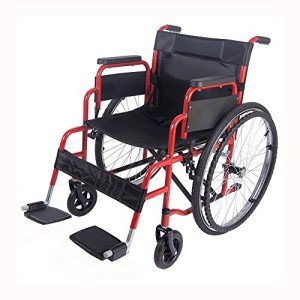
A wheelchair with a larger rear wheel will be able to navigate rough terrain. It will also be more stable than a standard wheelchair. A bigger rear wheel will also improve the ability of your wheelchair to travel upwards and downwards on inclined surfaces and help you navigate through doors faster.
When you are deciding on the size of the wheel of a wheelchair, it is important to be aware of the front caster's diameter. Smaller front wheels can get stuck in soft surfaces, making the wheelchair unstable. In contrast, larger casters raise the front of the wheelchair and give it more 'dump' making it more difficult to push.
Wheel positioning is a crucial aspect of wheelchair design as many users are confused about how to make the most of their wheelchair. A wheelchair that has been improperly positioned can result in injuries, including shoulder pain (tendonitis or tears in the rotator-cuff) or impingement.
It's not as difficult as you think to position your wheelchair correctly. However, it is essential to be aware of the different types and how they can affect your mobility. The arm angle and the seat-to-floor distance are key to the ease of moving your wheelchair. A low seat-to floor height allows you to use more force. An elbow that is too bent while propelling the chair could increase your risk of overuse injuries.
Easy Navigation
Self-propelled wheelchair users enjoy the freedom of movement that comes with being able to control their own movements. It can be challenging for wheelchair users to maneuver through the rough terrain. They need to learn to move as quickly and as smoothly as possible.
To help with this, a number of the top self-propelled wheelchairs are equipped with suspensions to absorb the impact of jolts and bumps from the road. This can be the difference between a smooth and comfortable ride or one that causes fatigue or muscle spasms. The suspension can prevent the casters from sinking into soft surfaces, causing the wheelchair's speed to decrease.
A good self-propelled chair will also feature a short pop of the casters that raises the rear wheels for a brief period off the ground. This allows the user to free their hands from gripping the hand rims and prepare for the next push. The wheelchair will move faster in this period with the casters raised off the ground.
Many wheelchairs feature an axel pivot that lets the casters be moved more easily. This is particularly helpful when maneuvering in small spaces or when navigating around kerbs.
A flat indoor area or an even surface is a good location to practice navigation. This can be accomplished by using a piece of bubble wrap that provides audible feedback when the wheelchair is moved off course. It is also a great idea to focus on accuracy, not speed, as both are related.
Self-propelled wheelchairs also have the advantage of larger rear wheels with outer pushrims that make it easier to steer. Transit wheelchairs tend to have smaller rear wheels, and this can make it more difficult for a caregiver to move the chair.
Self-propelled wheelchairs are the ideal option for those with limited mobility. They allow freedom and a higher quality of life. It is crucial that the user of the chair considers their own capabilities to manage a wheelchair however, and it may be beneficial to get professional guidance on choosing the appropriate wheelchair for them.